Green Excavation: Sustainable Practices for a Better Tomorrow May 22, 2026
Excavation, a pivotal step in construction, often poses threats to the environment. Traditionally, methods have been known to disrupt ecosystems, increase carbon emissions, and promote waste. However, green excavation practices can alleviate these adverse effects. By implementing such strategies, we can play a crucial role in preserving the earth for future generations.
One of the core principles of sustainable excavation is minimizing soil disturbance. At Redwood Construction, we use advanced equipment and precise planning to ensure that only necessary areas are affected during the excavation process. This practice not only protects surrounding flora and fauna but also reduces the footprint left on the environment. Additionally, planning and site management play significant roles in sustainable outcomes. By thoroughly analyzing the site, we can determine the best approaches that minimize resource wastage and cut down unnecessary operations.
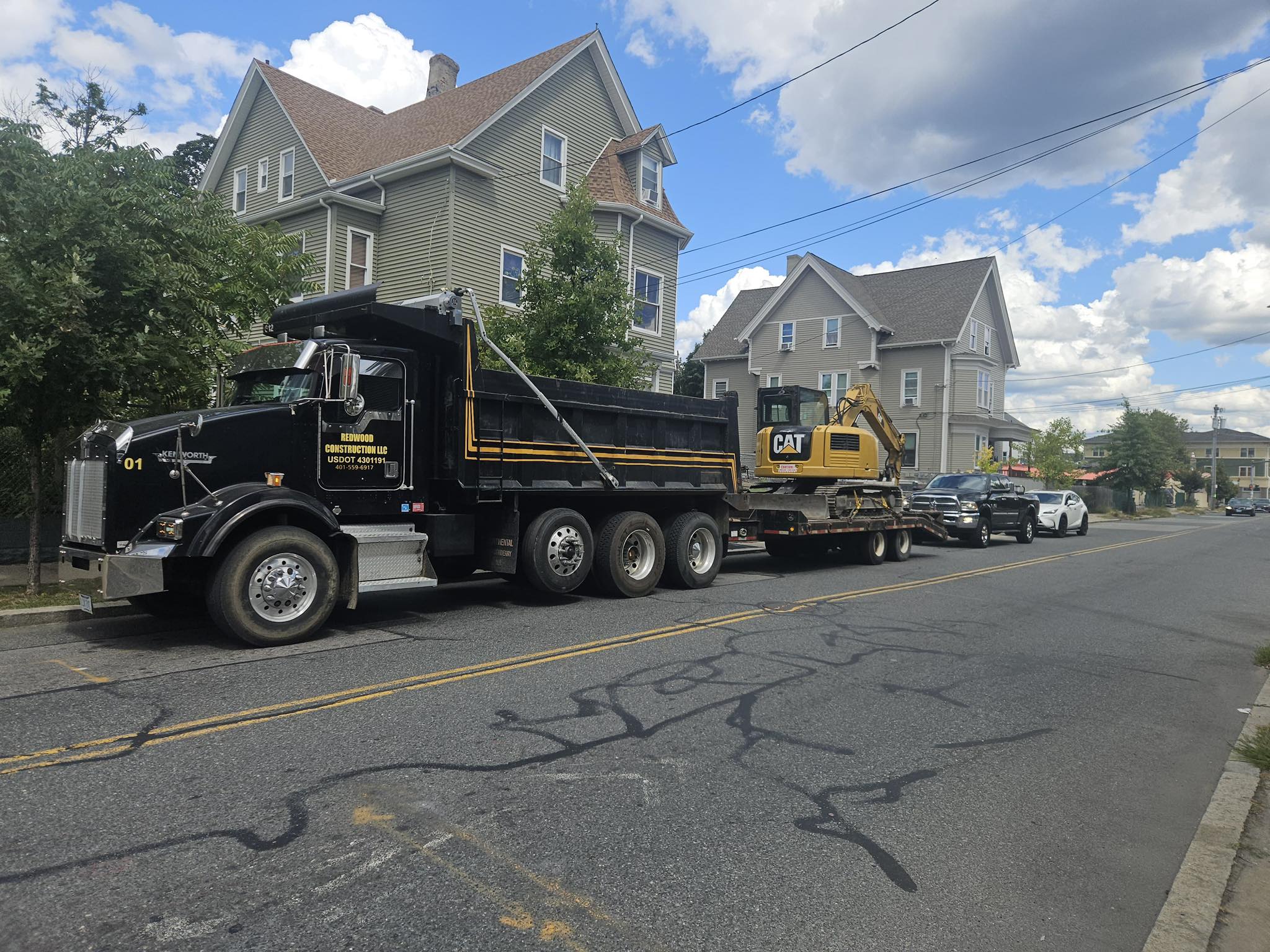
Adopting energy-efficient machinery is another cornerstone of green excavation. Modern excavators and bulldozers with low-emission engines are being used extensively to reduce the carbon footprint associated with construction activities. These machines are designed to consume less fuel and emit fewer pollutants, ensuring a cleaner and more sustainable operation. By opting for such equipment, Redwood Construction showcases its commitment to reducing environmental impact and conserving energy.
Recycling and reusing materials is a crucial part of our sustainable construction strategy. During excavation, significant amounts of rocks and soil are removed. Instead of disposing of these materials, we strive to repurpose them within the project or for other applications. This not only reduces waste but also decreases the demand for new materials, further relieving the burden on natural resources. For instance, excavated soil can be used in landscaping or as fill for other construction projects, promoting a circular economy within the industry.
Furthermore, water management is vital in ensuring that excavation remains environmentally friendly. Traditional excavation often leads to increased runoff and sedimentation, affecting nearby water bodies. At Redwood Construction, we implement effective drainage systems and erosion control measures to protect water quality and prevent harmful impacts. These measures are designed to manage water use efficiently, safeguarding valuable aquatic ecosystems from degradation.
As we look toward the future, technological advancements continue to pave the way for even more sustainable excavation practices. Innovations such as electric excavation equipment and digital site modeling tools are on the horizon, promising further reductions in environmental impact. By staying at the forefront of these trends, Redwood Construction is poised to lead the industry in sustainable development.
In conclusion, green excavation is not just a trend but a vital step toward a more sustainable construction industry. Through minimizing soil disturbance, using energy-efficient machinery, recycling materials, and managing water effectively, Redwood Construction is setting an example of how to build responsibly. Embracing these practices today not only helps in conserving the environment but also ensures that we leave a livable planet for future generations. By choosing sustainable construction, we are investing in a better tomorrow.
/filters:no_upscale()/filters:format(webp)/media/58efb4e1-8d00-4fb6-901d-b0938c6e0b8d.jpg)